
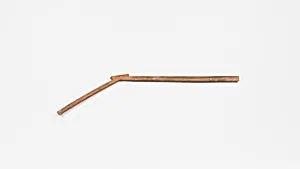
Bent stave
Unknown Artist
ca. 1859–1640 B.C.
Medium
Wood, paint
Dimensions
L. 82 cm (32 5/16 in.)
Classification
Staff, stave, Imhotep
Period
Middle Kingdom
Department
Egyptian Art
Museum
Metropolitan Museum of Art, New York, NY
Credit
Rogers Fund and Edward S. Harkness Gift, 1914
Accession Number
14.3.34
Rights
Public Domain
Art Historical Context
This intriguing *Bent Stave*, crafted around 1859–1640 B.C. during Egypt's Middle Kingdom (Dyn 12–13), a rare glimpse into ancient woodworking from the Egyptian Department at the Metropolitan Museum of Art. Measuring 82 cm in length, this wooden artifact—adorned with paint— served a ceremonial or functional purpose, its distinctive bent shape evoking the stylized forms common in royal and elite regalia of the era. The Middle Kingdom marked a renaissance after periods of unrest, with art emphasizing balance, realism, and enduring craftsmanship. The use of wood as a medium was significant in ancient Egypt, where such organic materials rarely survive the millennia due to climate and decay. Artisans skillfully shaped and bent the wood, then applied paint to mimic luxurious stones or metals, elevating its status and symbolic power. Surviving painted wooden objects like this highlight advanced techniques in joinery and pigmentation, reflecting the era's technical prowess and cultural reverence for tools of authority. Acquired through the Rogers Fund and Edward S. Harkness Gift in 1914, this stave invites visitors to ponder the daily lives and rituals of Middle Kingdom elites, bridging us to a world where form met profound symbolism.