
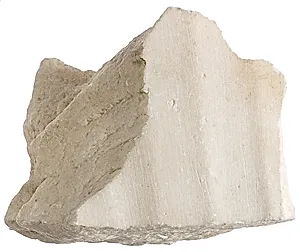
Body with pleated garment
Unknown Artist
ca. 1353–1336 B.C.
Medium
Limestone
Dimensions
H. 4.5 × W. 6.5 × D. 3.8 cm at arm articulation (1 3/4 × 2 9/16 × 1 1/2 in.)
Classification
Body with garment, pleating
Period
New Kingdom, Amarna Period
Department
Egyptian Art
Museum
Metropolitan Museum of Art, New York, NY
Credit
Gift of Edward S. Harkness, 1921
Accession Number
21.9.527
Rights
Public Domain
Art Historical Context
This delicate limestone sculpture, titled *Body with Pleated Garment*, hails from Egypt's New Kingdom, specifically revolutionary Amarna Period (ca. 1353–1336 B.C.) during Dynasty 18. Crafted by an unknown artist, it captures era's distinctive artistic shift under Pharaoh Akhenaten, who the worship of the sun god Aten. Amarna art broke from rigid traditions, embracing more naturalistic and elongated forms to express vitality and divine favor, often seen in royal and elite imagery. Carved from fine limestone—a favored medium for its workability and durability—this fragment measures just 4.5 cm high, suggesting it was part of a small statuette, perhaps for a votive offering or tomb adornment. The meticulously rendered pleated garment highlights the sculptor's skill in capturing fabric texture through incised lines and subtle modeling, evoking the lightweight linen schenti kilts worn by elites. Such details reflect Amarna's emphasis on everyday elegance amid profound religious and stylistic upheaval. Now housed in the Metropolitan Museum of Art's Egyptian Art Department, thanks to a 1921 gift from Edward S. Harkness, this piece offers a intimate glimpse into a transformative moment in ancient Egyptian culture, where art mirrored a bold vision of beauty and spirituality.