
Border
Unknown Artist
late 17th century
Medium
Needle lace
Dimensions
L. 129 1/2 x W. 3 inches (328.9 x 7.6 cm)
Classification
Textiles-Laces
Culture
Italian
Department
European Sculpture and Decorative Arts
Museum
Metropolitan Museum of Art, New York, NY
Credit
Gift of Mrs. Edward S. Harkness, 1946
Accession Number
46.158.1
Rights
Public Domain
Art Historical Context
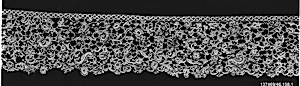
This exquisite *Border*, crafted by an unknown Italian artist in the late 17 century, exemplifies the pinnacle of needle lace artistry from Renaissance Venice and its surrounding regions. Measuring an impressive 129½ inches long by just 3 inches wide this delicate textile was likely designed as an edging for luxurious garments, ecclesiastical vestments, or opulent furnishings. Needle lace, or *punto in aria*, involved meticulously stitching fine linen threads with a needle to create intricate, free-form patterns suspended in air— a labor-intensive technique that demanded extraordinary skill and patience. In the Baroque era, Italian lace like this was a status symbol among European nobility and clergy, rivaling gold and jewels in prestige. Venice dominated the trade, exporting these airy masterpieces across the continent. The *Border*'s preservation highlights its rarity; such fragile works often deteriorated over time. Generously gifted to The Metropolitan Museum of Art in 1946 by Mrs. Edward S. Harkness, it now invites us to marvel at the anonymous hands that wove threads into fleeting beauty, bridging art and everyday elegance of the 1600s.