
Bowl
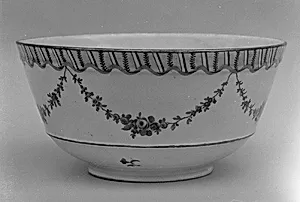
Medium
Hard-paste porcelain
Dimensions
3 1/2 × 7 1/8 in. (8.9 × 18.1 cm)
Classification
Ceramics-Porcelain
Culture
German, Ludwigsburg
Department
European Sculpture and Decorative Arts
Museum
Metropolitan Museum of Art, New York, NY
Credit
The George B. McClellan Collection, Gift of Mrs. George B. McClellan, 1941
Accession Number
42.205.264
Rights
Public Domain
Art Historical Context
This elegant oval bowl, crafted by the Ludwigsburgcelain Manufactory around1770, exemplifies the of 18th-century German ceramic artistry. Established in 1758 under the patronage of Duke Carl Eugen of Württemberg, the Ludwigsburg factory quickly rivaled Europe's leading porcelain centers like Meissen, producing luxurious tableware and decorative objects for aristocratic tables and interiors. Made of hard-paste porcelain technically demanding material fired at high temperatures to achieve the translucent, resonant quality of Chinese export porcelain— this bowl highlights the manufactory's mastery of kaolin-based formulas. At just 3½ inches high and 7⅛ inches wide, its delicate scale belies the precision required, making it ideal for serving confections or as a centerpiece in rococo-era salons. Housed in The Metropolitan Museum of Art's European Sculpture and Decorative Arts Department as part of The George B. McClellan Collection, this piece offers a glimpse into the opulent material culture of Enlightenment Germany, where porcelain symbolized refinement and innovation. Visitors can appreciate how such wares bridged functionality and fine art, adorning the lives of the elite.