
Bowl
Unknown Artist
ca. 1750
Medium
Salt-glazed stoneware
Dimensions
Height: 4 1/2 in. (11.4 cm); Diameter: 10 in. (25.4 cm)
Classification
Ceramics-Pottery
Culture
British, Staffordshire
Department
European Sculpture and Decorative Arts
Museum
Metropolitan Museum of Art, New York, NY
Credit
Gift of Mrs. Russell S. Carter, 1945
Accession Number
45.12.57
Rights
Public Domain
Tags
Art Historical Context
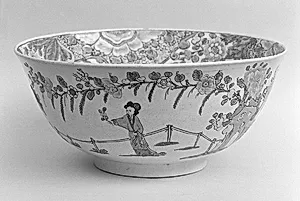
This elegant salt-glazed stoneware, crafted around 1750 in Staffordshire, England, exemplifies the pinnacle of British ceramic production during the 18th century Standing just 4½ inches tall with a generous 10-inch, it was designed for both practical use and display, reflecting the era's blend of functionality and ornamentation. Staffordshire potteries, centered in the Midlands, dominated the industry, producing durable wares that rivaled imported porcelain. The medium—salt-glazed stoneware—is key to its appeal. In this technique, salt was introduced into the kiln, vaporizing to create a hard, glassy surface resistant to chipping and ideal for everyday tableware. Often molded with lively relief decorations like women amid blooming flowers, this bowl captures the Rococo taste for playful, naturalistic motifs, evoking pastoral scenes and feminine grace popular in Georgian households. Housed in the Metropolitan Museum of Art's European Sculpture and Decorative Arts collection, this gift from Mrs. Russell S. Carter in 1945 highlights Staffordshire's global influence. Such pieces not only served the rising middle class but also showcased innovative British craftsmanship, bridging utility and art in everyday life.