
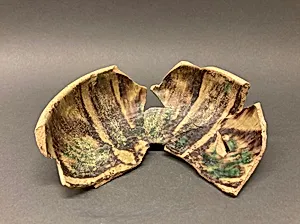
Bowl
Unknown Artist
late 8th–first half 9th century
Medium
Earthenware; underglaze painted in polychrome pigments under colorless glaze
Dimensions
H. 2 7/16 in. (6.2 cm) W. 8 in. (20.3 cm) D. 8 in. (20.3 cm) Wt. 9.1 oz. (258 g)
Classification
Ceramics
Department
Islamic Art
Museum
Metropolitan Museum of Art, New York, NY
Credit
Rogers Fund, 1936
Accession Number
36.20.26
Rights
Public Domain
Art Historical Context
This elegant earthenware bowl, crafted by an unknown artist in the 8th to first half of the 9th century, exemplifies the early flowering of Islamic ceramics during theid era. Housed in the Metropolitan Museum of Art's Islamic Department (acquired through the Rogers Fund in 6), it measures a modest 2 7/16 inches high and 8 inches wide, weighing just 9.1 ounces—perfect for daily use yet refined enough for display. The bowl's medium reveals sophisticated techniques: earthenware painted with vibrant polychrome pigments under a transparent colorless glaze. This underglaze method, an innovation of the time, protected the colors from wear while allowing their brilliance to shine through, marking a shift from earlier monochrome glazes. Likely produced in regions like Iraq, such vessels were traded widely across the Islamic world, blending functionality with artistry. Culturally, this bowl reflects the Abbasid Caliphate's golden age of craftsmanship, where pottery became a canvas for geometric patterns and motifs inspired by nature and script. Though its exact decoration isn't detailed here, it stands as a testament to how everyday objects embodied the era's aesthetic harmony and technical prowess, bridging utility and beauty for museum visitors today.