
Bowl
Unknown Artist
3rd–7th century
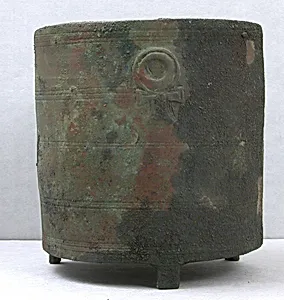
Medium
Bronze
Dimensions
H. 4 1/2 in.(11.4 cm) Diam. 4 5/16 in. (11 cm) Wt. 18.6 oz. (527.4 g)
Classification
Metal
Department
Islamic Art
Museum
Metropolitan Museum of Art, New York, NY
Credit
Rogers Fund, 1907
Accession Number
07.228.51
Rights
Public Domain
Art Historical Context
This modest yet elegant bronze bowl, crafted by an unknown artist between the 3 and 7th centuries exemplifies the refined metalworking traditions of early Islamic art. Measuring just 4½ inches in height and 4⅜ inches in diameter, with substantial weight of 18.6 ounces, it was likely designed for practical use—holding food, water, or offerings—while showcasing the era's mastery of bronze casting and hammering techniques. Acquired through the Rogers Fund in 1907 and now housed in the Metropolitan Museum Art's Islamic Art Department, it survives as a testament to the durability of these vessels. Dating to a transitional period from late antiquity into the formative years of Islam, the bowl reflects cultural exchanges across the Middle East, possibly from Persia or Mesopotamia, where bronze was prized for its malleability and corrosion resistance. In Islamic metalwork, such objects often featured subtle surface treatments, though this plain form highlights functional beauty over ornate decoration, a hallmark of early utilitarian art. For visitors, this unassuming piece invites reflection on everyday life in the ancient Islamic world: a simple bowl that bridged domestic rituals and artistic innovation, enduring over 1,400 years to whisper stories of forgotten hands.