
Bowl
Unknown Artist
1650
Medium
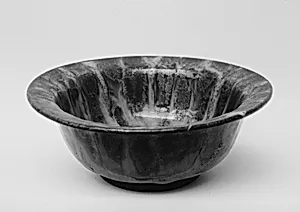
Clay covered with a transparent crackled glaze with streaks (Seto ware, Ofuke type)
Dimensions
H. 2 3/8 in. (6 cm); Diam. 6 in. (15.2 cm)
Classification
Ceramics
Culture & Period
Japan · Edo period (1615–1868)
Department
Asian Art
Museum
Metropolitan Museum of Art, New York, NY
Credit
Gift of Charles Stewart Smith, 1893
Accession Number
93.3.174
Rights
Public Domain
Art Historical Context
This delicate bowl, crafted around 1650 during Japan's Edo period (16151868), exemplifies the refined artistry of Seto ware the Ofuke type. Made from clay and coated with a transparent crackled glaze featuring subtle streaks, it measures just 2⅜ inches high and 6 inches diameter—perfectly sized for intimate use, such as serving tea or sweets. The intentional crackle in the glaze, a hallmark of Ofuke ceramics produced in Seto's kilns, creates a textured, ice-like surface that catches the light, blending functionality with subtle elegance. Seto ware, originating from Aichi Prefecture, was a powerhouse of Japanese ceramics innovation during the Edo era, a time of peace and burgeoning urban culture. Ofuke pieces like this one catered to the rising merchant class and tea enthusiasts, showcasing advanced glazing techniques that produced vibrant yet understated effects without heavy pigmentation. The streaks in the glaze add dynamic movement, reflecting the potters' mastery over firing processes in wood-fired kilns. Now housed in the Metropolitan Museum of Art's Asian Art Department as a gift from Charles Stewart Smith in 1893, this anonymous work highlights everyday luxury in 17th-century Japan. It invites visitors to appreciate how humble bowls embodied the wabi-sabi aesthetic—celebrating imperfection and transience in ceramic form.