
Bowl
Unknown Artist
1780
Medium
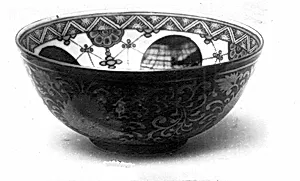
White porcelain, the outside dipped blue under the glaze covered with design painted in gold; the inside decorated in blue under the glaze, enamel
Dimensions
H. 2 1/2 in. (8.4 cm); Diam. 5 3/8 in. (13.7 cm)
Classification
Ceramics
Culture & Period
Japan · Edo period (1615–1868)
Department
Asian Art
Museum
Metropolitan Museum of Art, New York, NY
Credit
Gift of Charles Stewart Smith, 1893
Accession Number
93.3.106
Rights
Public Domain
Art Historical Context
This exquisite porcelain bowl, crafted in Japan during the Edo period (1615–1868) around 1780, exemplifies the refined ceramic artistry of the time. Measuring just 2½ inches high and 5⅜ inches in diameter, its petite scale suggests it may have served for tea ceremonies, sake, or small delicacies, reflecting the era's emphasis on harmonious daily rituals amid Japan's peaceful isolation under the Tokugawa shogunate. The bowl's exterior features a white porcelain body dipped in blue under the glaze, then adorned with intricate gold-painted designs—a luxurious overglaze technique that added opulence and durability. Inside, blue underglaze decoration pairs with enamel accents, showcasing masterful control of firing processes at kilns like those in Arita, where such vibrant polychrome wares thrived. These methods, blending cobalt blue's depth with gold's shimmer, highlight Edo potters' technical prowess and aesthetic balance of simplicity and extravagance. A gift to the Metropolitan Museum of Art from Charles Stewart Smith in 1893, this anonymous masterpiece captures Japan's export porcelain tradition, bridging domestic elegance with global appeal. Visitors, pause to admire how its subtle glow evokes the fleeting beauty of cherry blossoms—a timeless nod to wabi-sabi philosophy.