
Bowl Fragment
Unknown Artist
4th–7th century
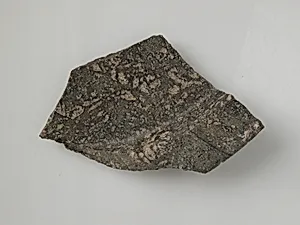
Medium
Stone
Dimensions
Overall: 2 15/16 x 3 1/16 x 7/8 in. (7.4 x 7.7 x 2.3 cm)
Classification
Miscellaneous-Stone
Culture
Coptic
Department
Medieval Art
Museum
Metropolitan Museum of Art, New York, NY
Credit
Rogers Fund, 1925
Accession Number
25.10.24.42
Rights
Public Domain
Tags
Art Historical Context
This delicate stone bowl fragment, dating to the 4th–7th century, offers a glimpse into the daily life of Coptic Egypt, a vibrant Christian culture that flourished along the Nile during the transition from the late Roman to early Islamic eras. Crafted from stone—a durable medium prized for its longevity in the harsh desert environment—this small artifact (just under 3 inches across) served a practical purpose, such as holding food, oils, or ritual offerings in households or monasteries. Its survival as a fragment speaks to the resilience of Coptic craftsmanship, where everyday objects were often adorned with simple incised designs blending pharaonic, Greco-Roman, and emerging Christian motifs. In the Metropolitan Museum of Art's Medieval Art Department, acquired through the Rogers Fund in 1925, this piece highlights the Copts' innovative adaptation of ancient Egyptian stoneworking techniques to express their faith and identity. During this period, Egypt was a crossroads of cultures, and stone vessels like this one underscore the continuity of artisanal traditions amid profound religious change. Though incomplete, it invites us to imagine the hands that shaped it, evoking the spiritual and communal world of early Coptic Christians. A humble yet evocative survivor from antiquity!