
Box
Unknown Artist
late 18th century
Medium
Lacquer
Dimensions
H. 1 1/2 in. (3.8 cm); Diam. 2 in. (5.1 cm)
Classification
Lacquer
Culture
Japan
Department
Asian Art
Museum
Metropolitan Museum of Art, New York, NY
Credit
Gift of Mrs. George A. Crocker (Elizabeth Masten), 1937
Accession Number
38.25.154a, b
Rights
Public Domain
Tags
Art Historical Context
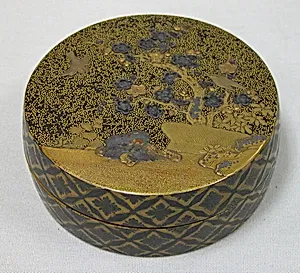
This delicate lacquer box from late 18th-century Japan exemplifies the exquisite craftsmanship of the Edo period, a time of cultural flourishing and refined artistry. Measuring just 1.5 inches high and inches in diameter, its petite size suggests it was designed for personal use—perhaps to hold cosmetics, incense, or small treasures—fitting neatly into a sleeve or pocket. Adorned with motifs of flowers and trees, indicated by its decorative tags, the box captures the Japanese reverence for nature's fleeting beauty, evoking seasonal harmony and poetic elegance. Japanese lacquerware, known as urushi, is a revered medium crafted from the sap of the lacquer tree, applied in countless thin layers, polished to a mirror-like sheen, and often enhanced with intricate techniques like gold powder sprinkling (maki-e) or inlays. By the late 1700s, these objects had evolved into symbols of sophistication among the merchant class and samurai, blending functionality with artistry. Though the artist remains unknown, the box's survival highlights the enduring mastery of this labor-intensive tradition, which dates back over a millennium. Now housed in the Metropolitan Museum of Art's Asian Art Department, thanks to a 1937 gift from Mrs. George A. Crocker, this unassuming treasure invites visitors to appreciate the subtlety of Japanese design—where every curve and motif whispers stories of patience, nature, and impermanence.