
Bronze sestertius of Hadrian
Unknown Artist
134–138 CE
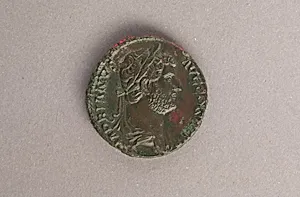
Medium
Bronze
Dimensions
1 1/4 × 3/16 in., 21.3g (3.1 × 0.5 cm, 21.3g)
Classification
Coins
Culture & Period
Roman · Mid Imperial, Hadrianic
Department
Greek and Roman Art
Museum
Metropolitan Museum of Art, New York, NY
Credit
Rogers Fund, 1908
Accession Number
08.170.385
Rights
Public Domain
Tags
Art Historical Context
This bronze sestertius, minted during the reign of Emperor Hadrian (r. 117–138 CE), exemplifies the Roman Empire's masterful use of coinage as both currency and propaganda. Struck between 134 and 138 CE in the Mid Imperial period, it belongs to a class of large bronze coins valued at a quarter of a denarius, widely circulated across the empire to facilitate trade and daily transactions. Hadrian, known for his extensive travels and architectural legacies like Hadrian's Wall, used such coins to disseminate his image, fostering imperial unity and loyalty. The coin's obverse likely features a detailed profile portrait of Hadrian, a hallmark of Roman numismatic art that standardized ruler iconography. Rendered in high relief on bronze—a durable medium chosen for its size and heft (21.3g, about 3.1 cm)—these profiles captured the emperor's dignified features, blending realism with idealized traits. The reverse often depicted deities, victories, or provincial symbols, though specifics here highlight male profiles, underscoring the era's focus on masculine authority. Housed in the Metropolitan Museum of Art's Greek and Roman Art Department (acquired via Rogers Fund, 1908), this sestertius offers a tangible glimpse into Hadrianic Rome's economy, artistry, and power. Coins like this were not mere money but miniature sculptures, educating us on imperial portraiture techniques and the cultural reverence for the emperor's visage.