
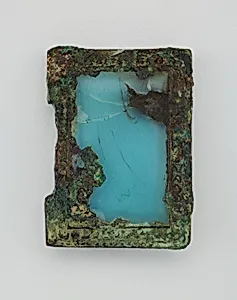
Buckle
206 B.C.-220 A.D.
Medium
Decorative Arts-Jewelry
Classification
Decorative Arts-Jewelry
Department
Smithsonian Collection
Museum
Smithsonian American Art Museum
Credit
Smithsonian American Art Museum, Gift of John Gellatly
Accession Number
1929.8.581
Rights
Public Domain
Art Historical Context
This exquisite buckle, dating from the Han Dynasty (206.C.–220 A.D.), exemplifies masterful craftsmanship of ancient China during one of its most prosperous eras. Crafted as a piece of decorative jewelry, it would have served both functional and ornamental purposes, likely fastening belts or sashes on garments worn by elites. The Han period marked a golden age of innovation, metalworking techniques advancing to produce intricate designs that blended utility with symbolism—often evoking motifs of nature, animals, auspicious symbols to convey status and spiritual protection. Though the artist remains unidentified, the buckle's survival highlights the durability of Han jewelry, frequently made from bronze, gold, or jade with openwork patterns and subtle inlays. These adornments were not mere accessories but cultural artifacts, buried in tombs or passed down as heirlooms, reflecting societal values of harmony and imperial grandeur. Today, it stands as a testament to the sophistication of pre-modern artisans. Generously gifted to the Smithsonian American Art Museum by collector John Gellatly, this piece invites visitors to ponder the daily elegance of ancient life, bridging millennia through its timeless allure.
About the Artist
Unidentified ( ) · –