
Button
Unknown Artist
ca. 1780
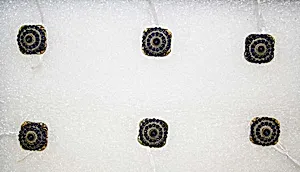
Medium
metal, sapphires, pearls
Classification
Button
Culture
Hungarian
Department
Costume Institute
Museum
Metropolitan Museum of Art, New York, NY
Credit
From the Hanna S. Kohn Collection, 1951
Accession Number
50.231.1–.6
Rights
Public Domain
Art Historical Context
This exquisite button, crafted around 1780 in Hungary, exemplifies the opulent accessories of 18th-century European fashion Made from gleaming metal adorned with sapphires and pearls, it transforms a humble functional object into a jewel-like statement of luxury. Such buttons were often used on elite garments, securing cuffs or bodices while showcasing the wearer's wealth and status during the late Enlightenment era, when rococo influences lingered in decorative arts. Hailing from Hungarian culture, this piece reflects the refined craftsmanship of Central European jewelers, who skillfully combined precious materials to create wearable art. Sapphires, symbolizing royalty and clarity, paired with lustrous pearls, highlight advanced gem-setting techniques that required precision and artistry. Its presence in the Metropolitan Museum of Art's Costume Institute, gifted from the Hanna S. Kohn Collection in 1951, underscores its role in preserving the intricate details of historical attire. Though created by an unknown artist, the button offers a glimpse into the splendor of aristocratic life, inviting us to appreciate how everyday objects could embody cultural prestige and technical mastery. A tiny treasure with timeless elegance!