
Capital
Unknown Artist
ca. 1130–40
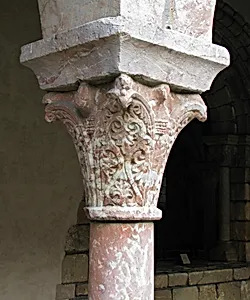
Medium
Marble
Dimensions
Overall: 17 1/4 x 17 x 17 in. (43.8 x 43.2 x 43.2 cm)
Classification
Sculpture-Architectural
Culture
Catalan
Department
The Cloisters
Museum
Metropolitan Museum of Art, New York, NY
Credit
The Cloisters Collection, 1925
Accession Number
25.120.578
Rights
Public Domain
Art Historical Context
This exquisite marble capital, crafted by an unknown artist in Catalonia around 1130–40, exemplifies the robust artistry of the Romanesque period. Architectural capitals like this crowned columns in monasteries, churches, and cloisters, serving both structural and decorative functions. Carved from fine marble, its compact cubic form—measuring about 17 inches on each side—allowed for intricate surface reliefs that animated sacred spaces with symbolic motifs, drawing worshippers' eyes upward in contemplation. In medieval Catalonia, a hub of Romanesque innovation amid the Reconquista, such sculptures blended local traditions with influences from pilgrimage routes like the Camino de Santiago. The stone's durability suited the era's masons, who employed chisels and abrasives to achieve deep undercutting and lively textures, evoking a sense of divine energy. Though details of its imagery remain understated in records, it reflects the period's fascination with fantastical beasts, foliage, and biblical narratives, bridging the earthly and spiritual. Now housed in The Cloisters at The Metropolitan Museum of Art since 1925, this capital invites visitors to ponder the anonymous hands that shaped it—testaments to communal faith and masterful stonework that endured centuries.