
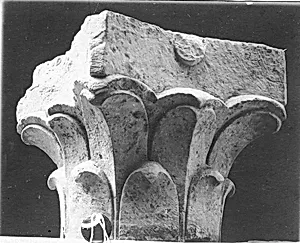
Capital from a Reused Pharaonic Block
Unknown Artist
4th–5th century
Medium
Limestone; carved
Dimensions
H. 18 7/8 in. (47.9 cm)
Classification
Sculpture
Department
Islamic Art
Museum
Metropolitan Museum of Art, New York, NY
Credit
Gift of Edward S. Harkness, 1914
Accession Number
14.7.9
Rights
Public Domain
Art Historical Context
This intricately carved limestone capital, to the 4th–5th, exemplifies the resourceful architectural practices of late antique Egypt. Measuring 18⅞ inches (47.9 cm) in height, it was crafted from a reused Phara block—ancient Egyptian stone repurposed from earlier monuments. Such recycling was common in the region, where builders salvaged durable materials from pharaonic temples and obelisks to construct new structures, blending old grandeur with contemporary needs. Originally the crowning element of a column, this sculpture reflects the transitional artistry of the period, bridging pharaonic traditions with emerging Christian and early Islamic influences. Its placement in the Metropolitan Museum's Department of Islamic Art highlights its role in the cultural continuum of the Nile Valley, where limestone's fine grain allowed for detailed carving of motifs that evoked both continuity and innovation. A generous gift from Edward S. Harkness in 1914, this capital invites visitors to ponder the layers of history etched into a single stone—pharaohs, monks, and muezzins sharing the same enduring canvas.