
Card Case
Unknown Artist
18th–19th century
Medium
Silk, gold?; porcelain
Dimensions
4 3/4 x 2 3/4 in. (12.07 x 6.99 cm)
Classification
Textiles-Embroidered
Culture & Period
China · Qing dynasty (1644–1911)
Department
Asian Art
Museum
Metropolitan Museum of Art, New York, NY
Credit
Bequest of William Christian Paul, 1929
Accession Number
30.75.703
Rights
Public Domain
Art Historical Context
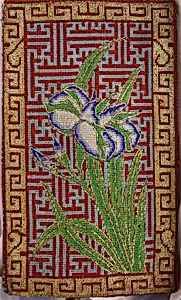
This exquisite card case from China's Qing dynasty (1644–1911) dates to the 18th or 19th century and exemplifies the refined embroidered textiles of the period. Crafted by an unknown artist primarily from silk—possibly with gold threads—and incorporating porcelain, the compact object measures just 4¾ by 2¾ inches. It was designed as a portable accessory to hold visiting cards, reflecting the social customs of scholars, officials, and elites who valued both practicality and elegance in personal items. Embroidery represented a prestigious art form in Qing China, where skilled artisans used fine silk to create luxurious, often symbolic decorations on everyday objects. The possible addition of gold and porcelain elements elevated this piece beyond mere utility, showcasing the era's prosperity and technical mastery in combining materials. Such works highlighted the high standards of Chinese decorative arts, turning functional items into displays of status and taste. Bequeathed to the Metropolitan Museum of Art in 1929 by William Christian Paul, this card case offers a glimpse into Qing social etiquette and craftsmanship. It illustrates how even small accessories embodied cultural sophistication, inviting visitors to appreciate the blend of artistry and daily life in imperial China.