
Case (Inrō) with Design of Shells
19th century
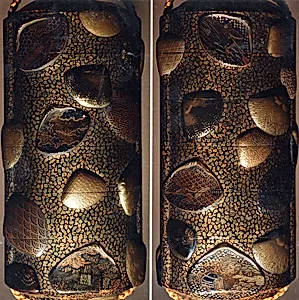
Medium
Lacquer, roiro, gyobu, gold, black, silver and brown hiramakie, takamakie; Interior: nashiji and fundame
Dimensions
3 15/16 x 1 7/8 x 1 1/8 in. (10 x 4.8 x 2.9 cm)
Classification
Inrō
Culture
Japan
Department
Asian Art
Museum
Metropolitan Museum of Art, New York, NY
Credit
The Howard Mansfield Collection, Purchase, Rogers Fund, 1936
Accession Number
36.100.221
Rights
Public Domain
Tags
Art Historical Context
This exquisite inrō, or portable case, created by the Japanese lacquer artist Tōyō in the 19th century, exemplifies the refined craftsmanship of late Edo-period Japan. Inrō were traditionally worn suspended from a gentleman’s obi sash to hold small personal items such as seals or medicines. Measuring just under four inches tall, this delicate object features a charming design of shells rendered in intricate layers of lacquer. Tōyō employed sophisticated techniques including hiramakie (flat gold sprinkling) and takamakie (raised lacquer) to create a lively, textured surface against a deep roiro ground. The interior glows with nashiji (pear-skin) and fundame finishes, highlighting the care given to every surface. Shell motifs often evoked themes of the natural world and seasonal change, popular in Japanese decorative arts. Today, this piece from the Metropolitan Museum’s Howard Mansfield Collection stands as a testament to the high regard in which lacquerwork was held, transforming a functional accessory into a miniature work of art.