
Clock pediment or fret
Unknown Artist
17th century
Medium
Gilt bronze
Classification
Metalwork-Gilt Bronze
Culture
German
Department
European Sculpture and Decorative Arts
Museum
Metropolitan Museum of Art, New York, NY
Credit
Gift of Edward Colonna, 1908
Accession Number
08.217.8
Rights
Public Domain
Tags
About this artwork
This metalwork-gilt bronze from German, dating to 17th century, provides valuable insight into the artistic practices and material culture of its era. Cast or worked in gilt bronze, this piece exemplifies sophisticated metalworking traditions. The creation of metal objects involved complex processes including casting, chasing, engraving, and finishing that required years of apprenticeship and specialized knowledge. Metalwork served diverse purposes from religious to domestic, embodying both mone...
Art Historical Context
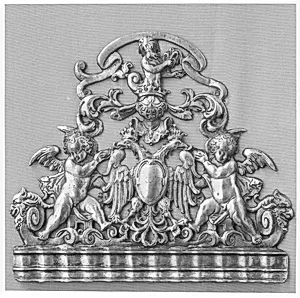
This exquisite gilt bronze *Clock Pediment or Fret*, by an unknown German artisan in the 17th, graces the pediment of a clock with playful putti—cherubic figures symbolizing joy and divine innocence, a motif beloved in Baroque-era decorative arts. As a prime example of European metalwork, it reflects the era's opulent taste for gilded splendor, where bronze was meticulously cast, chased, engraved, and finished achieve a luminous, jewel-like sheen. Such techniques demanded years of apprenticeship, transforming raw metal into objects that blended utility with artistic bravura. Hailing from Germany's rich tradition of workshop production, this piece illuminates 17th-century material culture, where metalwork served both domestic luxury and symbolic prestige. Anonymous makers like this one dominated historical output, their creations revealing regional styles, technical mastery, and collective ingenuity. Donated to the Metropolitan Museum of Art in 1908 by Edward Colonna, it now enriches the European Sculpture and Decorative Arts collection, inviting visitors to ponder how everyday opulence encoded the values of its time—wealth, craftsmanship, and whimsy preserved for posterity.