
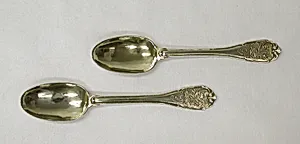
Coffee spoon (one of a pair)
ca. 1743–45
Medium
Silver gilt
Dimensions
Overall: L. 4 11/16 x W. 7/8 in. (2.2 cm)
Classification
Metalwork-Silver
Culture
German, Augsburg
Department
European Sculpture and Decorative Arts
Museum
Metropolitan Museum of Art, New York, NY
Credit
Purchase, Anna-Maria and Stephen Kellen Foundation Gift, in memory of Stephen M. Kellen, 2005
Accession Number
2005.364.34
Rights
Public Domain
Art Historical Context
This exquisite coffee spoon, one of a matching pair crafted by Abraham Warnberger III around 1743–45, exemplifies the pinnacle of Augsburg silversmithing during the Rococo era. Hailing from Germany’s renowned metalworking hub of Augsburg, the spoon measures a delicate 4 11/16 inches in length and 7/8 inches in width its silver gilt surface gleaming with a luxurious gold wash that elevated everyday silverware to opulent status. Warnberger, part of a family dynasty of goldsmiths, showcased the meticulous chasing, engraving, and gilding techniques that made Augsburg silver coveted across Europe. In the mid-18th century, coffee emerged as a fashionable beverage among the elite, prompting finely wrought utensils like this one for intimate social rituals. The silver gilt medium not only resisted tarnish but symbolized wealth and refinement, blending functionality with artistic flair. Rococo influences likely infused its form with elegant curves and subtle ornamentation, reflecting the period’s love for graceful, playful designs. Acquired by The Metropolitan Museum of Art in 2005 through the generous Anna-Maria and Stephen Kellen Foundation Gift, this spoon offers a tangible glimpse into 18th-century domestic luxury. It highlights how even humble tableware embodied cultural sophistication, inviting us to savor the artistry in the everyday.