
Coffeepot
ca. 1745
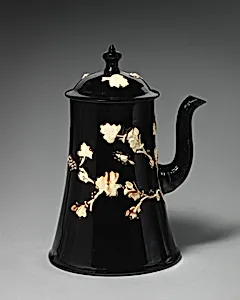
Medium
Lead-glazed earthenware
Dimensions
Height: 8 in. (20.3 cm)
Classification
Ceramics-Pottery
Culture
British, Staffordshire
Department
European Sculpture and Decorative Arts
Museum
Metropolitan Museum of Art, New York, NY
Credit
Gift of Mrs. Russell S. Carter, 1944
Accession Number
44.39.4a, b
Rights
Public Domain
Art Historical Context
This elegant coffeepot, crafted John Astbury around 1745, exemplifies the vibrant pottery tradition of Staffordshire, Britain—a region that would later birth giants like Wedgwood. at 8 inches tall this lead-glazed earthenware vessel was designed for everyday use amid the 18th-century coffee craze sweeping British homes. Coffeehouses buzzed as social hubs, and affordable ceramics like this allowed middle-class families to indulge in the fashionable beverage ritual at home. Astbury, a pioneering Staffordshire potter, helped popularize durable, glossy earthenware through lead glazing, which created a smooth, reflective surface ideal for tableware. Unlike fragile porcelain imports from China, this practical medium made high-style domestic objects accessible, blending functionality with subtle decorative appeal. Its simple form highlights the era's shift toward refined, understated elegance in British ceramics. Today, this coffeepot graces the Metropolitan Museum of Art's European Sculpture and Decorative Arts collection, a gift from Mrs. Russell S. Carter in 1944. It offers a tangible glimpse into Georgian daily life, where pottery bridged utility and aspiration.