
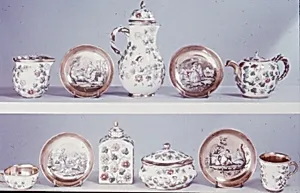
Coffeepot (part of a service)
Medium
Hard-paste porcelain
Dimensions
H. 8 3/4 in. (22.2 cm.)
Classification
Ceramics-Porcelain
Culture
German, Nymphenburg
Department
European Sculpture and Decorative Arts
Museum
Metropolitan Museum of Art, New York, NY
Credit
Gift of Irwin Untermyer, 1964
Accession Number
64.101.300a, b
Rights
Public Domain
Tags
Art Historical Context
This elegant coffeepot, crafted by the renowned Nymphenburg Porcelainufactory in Germany around 1760–65, exemplifies the opulence of Rococo porcelain during the height of Bavarian decorative arts. Produced under the patronage of the Wittelsbach electors, Nymphenburg was a leading European center for hard-paste porcelain—a technically advanced material fired at high temperatures for exceptional translucency and strength, rivaling the finest Chinese exports. Painter Kajetan Purtscher likely contributed the delicate floral motifs, a hallmark of the manufactory's intricate overglaze enameling technique, where vibrant colors were applied and fired multiple times for lasting brilliance. As part of a larger service, this 8¾-inch (22.2 cm) coffeepot was designed for aristocratic coffee rituals, a fashionable social custom in 18th-century Europe that symbolized refinement and exotic luxury. The blooming flower decorations evoke the natural abundance of the Rococo era, blending playful asymmetry with meticulous realism to delight the senses. Today, this gift to the Metropolitan Museum of Art from Irwin Untermyer in 1964 invites visitors to appreciate how porcelain bridged artistry and everyday elegance, preserving a slice of Enlightenment-era courtly life.