
Coin
Unknown Artist
dated A.H. 363/ 973 CE
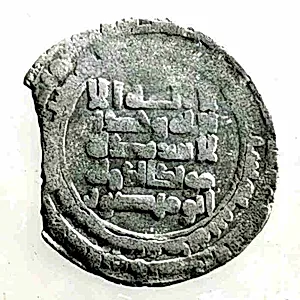
Medium
Silver
Classification
Coins
Department
Islamic Art
Museum
Metropolitan Museum of Art, New York, NY
Credit
Rogers Fund, 1939
Accession Number
39.40.127.121
Rights
Public Domain
Art Historical Context
This exquisite silver coin, minted in A.H. 363 (973 CE), offers a glimpse into the vibrant of medieval Islamic civilization. As a prime example of Islamic numismatics, it belongs to the Metropolitan Museum of Art's Islamic Art department, acquired through the Rogers Fund in 1939. Crafted from silver—a prized medium for dirhems, the standard Islamic silver currency—this coin exemplifies the precision of die-striking techniques, where intricate designs were hammered into metal blanks using engraved dies. In the 10th century, Islamic coins served as more than money; they were portable artworks and tools of political legitimacy. Adhering to aniconic traditions, they featured elegant Arabic calligraphy rather than images, inscribing rulers' names, mint locations, and dates to proclaim authority across vast empires. This period marked the Abbasid Caliphate's influence amid regional dynasties, with coins circulating along Silk Road trade routes, fostering economic and cultural exchange from Spain to India. Today, such artifacts reveal the artistry of anonymous engravers, whose mastery of Kufic script turned everyday currency into historical documents. Marvel at how this small silver disc encapsulated power, piety, and precision in the Islamic golden age!