
Coin
Unknown Artist
A.H. 366–87/ 976–97 CE
Medium
Copper
Classification
Coins
Department
Islamic Art
Museum
Metropolitan Museum of Art, New York, NY
Credit
Rogers Fund, 1939
Accession Number
39.40.127.216
Rights
Public Domain
Art Historical Context
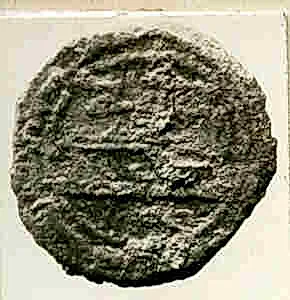
This copper coin, minted between A.H. 366–387 (976–997), hails from the vibrant era of medieval Islamic rule, a time when dynasties like the Buyids and Samanids vied for influence across Persia and Central Asia. As a product of the Islamic Art tradition, it exemplifies the numismatic artistry that powered trade and governance in the Abbasid Caliphate's fragmented world. Acquired through the Rogers in 1939, it now resides in the Metropolitan Museum Art's Coins collection, offering a tangible glimpse into daily economic life. Crafted from durable copper—a common medium for smaller denominations—this coin likely bears intricate Arabic inscriptions, a hallmark of Islamic numismatics after the 7th-century shift away from figural imagery. These epigraphic designs, struck via dies, proclaimed the ruler name, mint location, and date, blending functionality with calligraphy as an art form. Such techniques not only deterred counterfeiting but also served as portable propaganda, embedding political legitimacy in everyday transactions. For visitors, this unassuming artifact reveals the ingenuity of Islamic artisans, whose coins facilitated Silk Road commerce and cultural exchange. Handling history in your palm, it underscores how even humble metal captured the pulse of a golden age.