
Coin
Unknown Artist
8th–9th century
Medium
Copper
Classification
Coins
Department
Islamic Art
Museum
Metropolitan Museum of Art, New York, NY
Credit
Rogers Fund, 1939
Accession Number
39.40.127.249
Rights
Public Domain
Art Historical Context
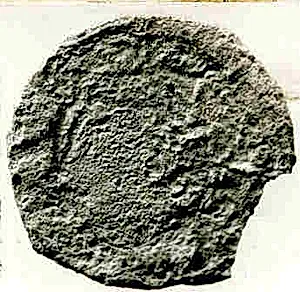
This unassuming copper coin, dating to the 8th–9th century, offers a tangible glimpse into the vibrant world of early Islamic civilization during the Abbasid Calate. Minted in an era when the Islamic empire stretched from Spain to Central Asia, such coins—known as *fals*—served as everyday currency for markets, trade, and taxation, reflecting the economic backbone of a burgeoning global power. Acquired through the Rogers Fund in 1939, it now resides in the Metropolitan Museum Art's Islamic Art department where it stands as a modest yet profound artifact. Crafted from copper, a durable and affordable medium ideal for low-denomination coins, this piece exemplifies the artistry of Islamic numismatics. Early Islamic coins often featured elegant Arabic calligraphy, including the names of caliphs, mint locations, and dates, transitioning from Byzantine and Sasanian influences to purely aniconic designs that adhered to religious prohibitions on figurative imagery. These techniques—precise die-stamping and intricate inscriptions—transformed functional money into portable works of art, doubling as historical records of rulers and regional economies. For museum visitors, this coin whispers stories of medieval commerce and cultural unity, reminding us how even small objects bridged vast distances and shaped history. Its survival through centuries highlights the enduring legacy of Islamic ingenuity in metallurgy and design.