
Coin
Unknown Artist
A.H. 144/ 761 CE
Medium
Copper
Classification
Coins
Department
Islamic Art
Museum
Metropolitan Museum of Art, New York, NY
Credit
Rogers Fund, 1939
Accession Number
39.40.127.258
Rights
Public Domain
Art Historical Context
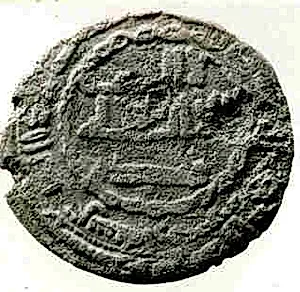
This copper coin, struck in A.H. 144 (761 CE), offers a tangible glimpse into the vibrant world of early Islamic civilization. Minted during the Abbasidiphate's formative years, it reflects the economic and administrative pulse of an empire spanning from Spain to Central Asia. As a common fals—a low-denomination copper piece—it circulated widely in daily trade, markets, and taxes, underscoring the caliphate's sophisticated monetary system. Islamic coins like this one marked a departure from pre-Islamic traditions, evolving from Byzantine and Sasanian prototypes to feature elegant Arabic inscriptions rather than figural images. This aniconic design emphasized calligraphy as an art form, often bearing the caliph's name, mint location, and date—propaganda tools that affirmed Islamic authority and unity. The coin's modest copper medium highlights the ingenuity of die-striking techniques, where intricate motifs were hammered into metal blanks for mass production. Housed in the Metropolitan Museum of Art's Islamic Art department through the Rogers Fund of 1939, this anonymous artifact invites us to ponder the unsung artisans behind it. It stands as a humble yet profound testament to 8th-century innovation, bridging art, history, and commerce in the Islamic golden age.