
Coin
Unknown Artist
819–1005
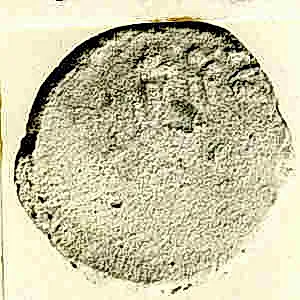
Medium
Silver
Classification
Coins
Department
Islamic Art
Museum
Metropolitan Museum of Art, New York, NY
Credit
Rogers Fund, 1939
Accession Number
39.40.127.261
Rights
Public Domain
Art Historical Context
This exquisite silver coin, minted between 819 and 1005 CE, hails from the vibrant era of the Abbasid Calate, a golden age of Islamic civilization centered in Baghdad. As a product of the Islamic collection at the Metropolitan Museum of Art, exemplifies the refined craftsmanship of medieval Islamic minting, where silver dirhams served as the backbone of a vast trade network stretching from the Mediterranean to Central Asia. Acquired through the Rogers Fund in 1939, this coin offers a tangible glimpse into an empire renowned for its advances in science, poetry, and commerce. Crafted using die-striking techniques—where metal blanks were hammered between engraved dies—such coins featured intricate Arabic calligraphy, often bearing the caliph's name, mint location, and date. This shift from earlier figural designs to purely epigraphic styles reflected Islamic aniconism, elevating script itself to an art form. The silver medium ensured durability and purity, standardized under Abbasid reforms to foster economic stability and trust in transactions. Beyond economics, these coins were cultural ambassadors, circulating as symbols of caliphal authority and Islamic unity. Visitors, imagine holding a piece of history that once bought spices in distant markets or paid scholars in Baghdad's House of Wisdom— a small artifact with a world-spanning story.