
Coin
Unknown Artist
dated A.H. 156/ 773 CE
Medium
Copper
Classification
Coins
Department
Islamic Art
Museum
Metropolitan Museum of Art, New York, NY
Credit
Rogers Fund, 1939
Accession Number
39.40.127.266
Rights
Public Domain
Art Historical Context
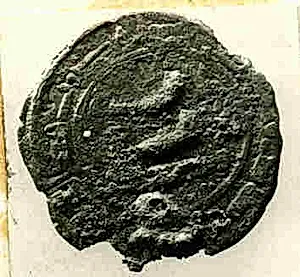
This copper coin, struck in A.H. 156 (773 CE), offers a tangible glimpse into the early Abbasid Caliphate, a golden age of Islamic expansion and cultural flourishing. Minted during the reign of Caliph al-Mansur or his successor al-Mahdi, it reflects the Abbasids' shift from Umayyad traditions, emphasizing Arabic inscriptions over figural imagery in line with Islamic aniconism. Such coins circulated across a vast empire stretching from Spain to Central Asia, facilitating trade in bustling markets from Baghdad to Samarkand. As a medium, copper was ideal for everyday transactions, distinct from prestigious gold dinars or silver dirhams reserved for larger commerce. The coin's design—likely featuring elegant Kufic script with the caliph's name, titles, mint mark, and date—showcases the artistry of Islamic epigraphy, where calligraphy became a revered form of decoration. These numismatic treasures reveal evolving monetary standards and the caliphate's administrative prowess. Today, housed in the Metropolitan Museum of Art's Islamic Art department through the Rogers Fund of 1939, this unassuming artifact underscores how coins served as historical documents, preserving details of rulers, economies, and scripts for posterity. A small but mighty witness to an era of innovation!