
Coin
Unknown Artist
A.H. 596–616/ 1199–1219 CE
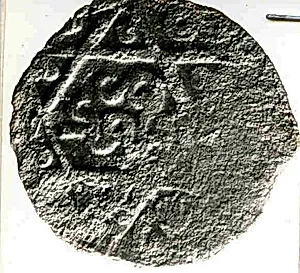
Medium
Copper
Classification
Coins
Department
Islamic Art
Museum
Metropolitan Museum of Art, New York, NY
Credit
Rogers Fund, 1939
Accession Number
39.40.127.274
Rights
Public Domain
Art Historical Context
This unassuming copper coin, minted between A.H. 596–616 (1199–1219 CE), offers a tangible glimpse into the bustling Islamic world of the early 13th century. Produced during a dynamic era marked by the Ayyubid dynasty's influence across the Middle East—from Egypt to Syria—these coins circulated as everyday currency in markets, supporting trade, taxation, and daily life amid the Crusades and expanding Islamic scholarship. Crafted from copper, a practical medium for smaller denominations, the coin exemplifies Islamic numismatic artistry. Unlike gold or silver pieces reserved for prestige, copper coins prioritized functionality while showcasing exquisite Arabic calligraphy. Inscriptions typically included the ruler's name, mint location, and Hijri date, blending utility with the era's reverence for epigraphy as a high art form. This piece, now in the Metropolitan Museum of Art's Islamic Art department (Rogers Fund, 1939), highlights how even humble money served as a canvas for cultural identity and historical record-keeping. Though the artist remains unknown, such coins reflect the standardized yet skillful minting techniques of medieval Islamic workshops, preserving snapshots of political authority and economic vitality for modern visitors to ponder.