
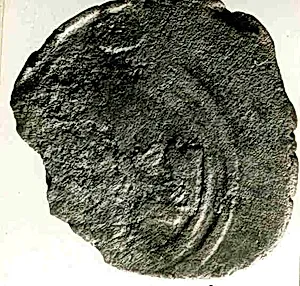
Coin
Unknown Artist
late 11th–early 13th century
Medium
Copper
Classification
Coins
Department
Islamic Art
Museum
Metropolitan Museum of Art, New York, NY
Credit
Rogers Fund, 1939
Accession Number
39.40.127.280
Rights
Public Domain
Art Historical Context
This unassuming copper coin, minted in the late 11th to early 13th century, offers tangible glimpse into the vibrant Islamic world during a pivotal era. Crafted from durable copper—a common medium for everyday transactions—these coins circulated widely across regions from the Abbasid heartlands to the expanding Seljuk territories, facilitating trade along the Silk Road and beyond. Acquired through the Rogers Fund in 1939, it now resides in the Metropolitan Museum Art's Islamic Art department exemplifying the precision of medieval numismatic craftsmanship. In Islamic art, coins were more than currency; they served as miniature billboards of power, often inscribed with Arabic calligraphy bearing the names of rulers, mint locations, and dates. This adherence to epigraphy over figural imagery reflected deep cultural and religious values emphasizing the written word as a divine medium. During this time of political flux—marked by Seljuk sultans, Fatimid rivals, and the Crusades—these small artifacts chronicled shifting dynasties and economic vitality. Handling such a coin transports us to bustling medieval bazaars, where it changed hands in deals for spices, silks, or manuscripts. Its survival underscores the enduring legacy of Islamic minting traditions, blending artistry, authority, and commerce in a single, pocket-sized masterpiece.