
Coin
Unknown Artist
dated A.H. 601/ 1204 CE
Medium
Silver
Classification
Coins
Department
Islamic Art
Museum
Metropolitan Museum of Art, New York, NY
Credit
Rogers Fund, 1939
Accession Number
39.40.127.294
Rights
Public Domain
Art Historical Context
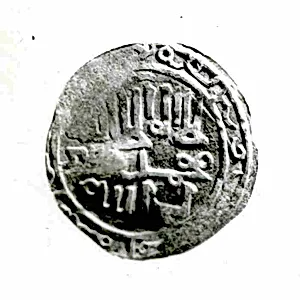
This exquisite silver coin, minted in A.H. 601 (1204 CE), offers a glimpse into the vibrant of medieval Islamic commerce and artistry. Struck during a pivotal era in the Islamic world—amid the Ayyubid dynasty's and the lingering Abbasid caliphate—it exemplifies the precision of numismatic craftsmanship. As a product of the Islamic Art tradition, such coins were essential for trade across vast empires, from the Middle East to North Africa and beyond, serving not just as currency but as portable emblems of authority. Crafted from high-quality silver using die-striking techniques, the coin likely features intricate Arabic calligraphy in Kufic or Naskh script, a hallmark of Islamic design that avoided figural imagery in favor of geometric elegance and pious inscriptions. These elements—often including the date, mint name, and ruler's titles—demonstrated mastery of epigraphy and metallurgy, blending utility with aesthetic refinement. Housed in the Metropolitan Museum of Art's Islamic Art department through the Rogers Fund of 1939, this coin invites visitors to ponder the interconnectedness of economy, religion, and culture in the 13th century, reminding us how everyday objects carried profound historical weight.