
Coin
Unknown Artist
ca. 770
Medium
Copper
Classification
Coins
Department
Islamic Art
Museum
Metropolitan Museum of Art, New York, NY
Credit
Rogers Fund, 1939
Accession Number
39.40.127.382
Rights
Public Domain
Art Historical Context
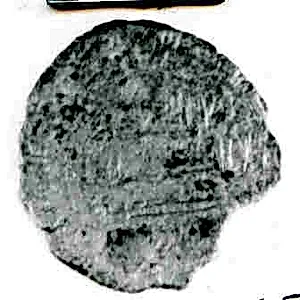
This modest copper coin, dating to around 770 AD, offers a tangible glimpse into the early Islamic world during the Abbasid Caliphate's formative years. Acquired through the Rogers Fund in 1939 and housed in the Metropolitan Museum of Art's Islamic Art department, it exemplifies the practical artistry of ancient numismatics. Struck from durable copper, such coins—known as *fals*—served everyday transactions in bustling markets from Baghdad to beyond, bridging trade across a vast empire. In the 8th century, Islamic coinage marked a revolutionary shift from pre-Islamic Byzantine and Sasanian models, embracing aniconism to align with religious principles. These pieces typically feature elegant Arabic inscriptions rather than images, showcasing the era's mastery of Kufic script as both functional text and aesthetic form. The obverse might proclaim the Islamic testimony of faith (*shahada*), while the reverse notes the mint and date, turning money into a medium of cultural and political messaging. As a survivor of over 1,200 years, this coin highlights the ingenuity of Abbasid minting techniques—hammering metal between engraved dies for precise, mass-produced beauty. It invites us to ponder the hands that exchanged it: merchants, scholars, and caliphs shaping a civilization's economic heartbeat.