
Coin
Unknown Artist
A.H. 366–87/ 976–97 CE
Medium
Copper
Classification
Coins
Department
Islamic Art
Museum
Metropolitan Museum of Art, New York, NY
Credit
Rogers Fund, 1939
Accession Number
39.40.127.406
Rights
Public Domain
Art Historical Context
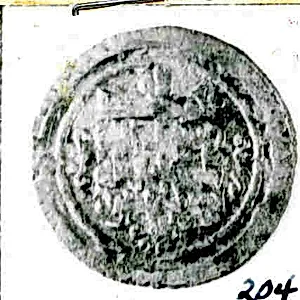
This copper coin, minted between A.H. 366–387 (976–997 CE), transports us to the bustling Islamic world of the late 10th century—a time of dynamic caliphates, regional dynasties, and flourishing trade routes stretching from the Mediterranean to Central Asia. As part of the Metropolitan Museum of Art's Islamic Art collection (acquired through the Rogers Fund in 1939), it exemplifies the precision of medieval Islamic numismatics, where coins served not just as money but as official proclamations of authority. Crafted from durable copper, a common medium for smaller-denomination fulūs used in daily transactions, this piece highlights the era's advanced minting techniques. Struck with intricate dies, it likely bears Arabic inscriptions detailing the issuing ruler's titles, the mint location, and the Hijri date—hallmarks of Islamic coinage that avoided figural imagery in favor of elegant Kufic or Naskh script. These elements made coins both functional art and historical documents. Beyond its economic role, the coin reveals cultural priorities: a blend of religious piety (often invoking Allah or the Prophet) and political messaging. For visitors, it's a tiny time capsule, whispering stories of merchants haggling in Baghdad bazaars or caravans crossing the Silk Road.