
Coin
Unknown Artist
5th–14th century
Medium
Copper
Classification
Coins
Department
Islamic Art
Museum
Metropolitan Museum of Art, New York, NY
Credit
Rogers Fund, 1939
Accession Number
39.40.127.420
Rights
Public Domain
Art Historical Context
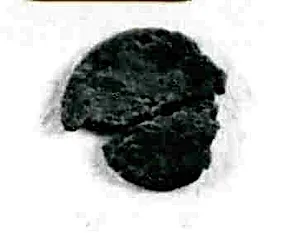
This unassuming copper coin, dating from the 5th to 14th century, offers a tangible glimpse into the vibrant economic and cultural world of Islamic civilizations. Housed in the Metropolitan Museum of Art's Islamic Department—acquired through the Rogers Fund in 193—it exemplifies the everyday currency that fueled trade across vast empires, from the Umayyad and Abbasid caliphates to regional dynasties. Struck in copper, a practical and abundant metal, these coins (often called *fulus*) were designed for common transactions, contrasting with rarer gold *dinars* reserved for high-value exchanges. Artistically, Islamic coins masterfully blended functionality with calligraphy, featuring intricate Arabic inscriptions that proclaimed rulers' names, mint locations, and dates—serving as portable propaganda and historical records. The medium's durability allowed these small artifacts to survive centuries, preserving glimpses of minting techniques like hammering over dies for raised designs. Though the artist remains unknown, such coins reflect the standardized yet regionally diverse aesthetics of Islamic numismatics. For museum visitors, this coin underscores how "minor" objects illuminate grand histories: bustling bazaars, cross-cultural trade along the Silk Road, and the spread of Islam. Handling its worn surface (virtually, of course!), one connects directly to medieval lives shaped by commerce and faith.