
Coin
Unknown Artist
A.H. 169/ 785 CE
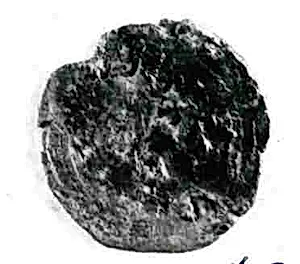
Medium
Copper
Classification
Coins
Department
Islamic Art
Museum
Metropolitan Museum of Art, New York, NY
Credit
Rogers Fund, 1939
Accession Number
39.40.127.456
Rights
Public Domain
Art Historical Context
This copper coin, minted in A.H. 169 (785 CE), hails from the early Abbasid Caliph, a golden age of Islamic civilization centered in Baghdad. As part of the Metropolitan Museum of Art's Islamic collection—acquired through the Rogers Fund in 1939—it exemplifies the numismatic artistry of the period, when coins served not just as currency but as vital historical records. These small copper pieces, known as *fulus*, circulated widely in everyday trade across the vast empire, from Mesopotamia to North Africa. Artistically, Islamic coins like this one marked a departure from pre-Islamic traditions influenced by Byzantine and Sasanian designs. By the Abbasid era, they featured elegant Arabic calligraphy—often Qur'anic phrases, mint names, and dates—eschewing human or animal imagery in line with aniconic principles. The humble copper medium allowed for mass production via striking techniques, making monetary art accessible and reflective of the caliphate's administrative prowess and cultural unity. For visitors, this unassuming coin whispers tales of bustling souks, scholarly exchanges, and the spread of Islam, reminding us how even tiny artifacts illuminate a world's economic and spiritual heartbeat.