
Coin
Unknown Artist
8th century
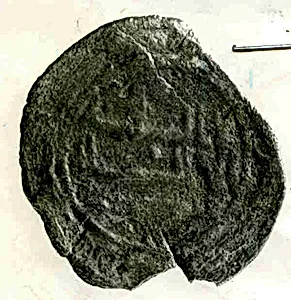
Medium
Copper
Classification
Coins
Department
Islamic Art
Museum
Metropolitan Museum of Art, New York, NY
Credit
Rogers Fund, 1939
Accession Number
39.40.127.493
Rights
Public Domain
Art Historical Context
This 8th-century copper coin housed in the Metropolitan Museum of Art's Islamic Art department, offers a tangible glimpse into the early Islamic world. Struck during a pivotal era of caliphal expansion—likely under the Umayyad early Abbasid dynasties—it exemplifies the practical artistry of numismatics, where everyday currency doubled as a medium for cultural expression. Acquired through the Fund in 1939, this unassuming artifact bridges economics and aesthetics in the formative centuries of Islam. Crafted from durable copper, the coin reflects the era's metallurgical expertise and the shift toward standardized Islamic minting practices. Unlike earlier Byzantine or Sassanian precedents, early Islamic coins emphasized calligraphy and abstract motifs over figural imagery, adhering to aniconic principles while proclaiming authority through inscriptions of rulers' names, dates, and mint locations. Though details of this specific example remain enigmatic due to its unknown provenance, it embodies the ingenuity of artisans who transformed metal into portable symbols of power and faith. In a museum context, such coins illuminate daily life, trade routes, and political legitimacy in the 8th century, from the bustling markets of Baghdad to the frontiers of al-Andalus. They remind us that art thrives not only in grand mosques but in the pockets of history's travelers.