
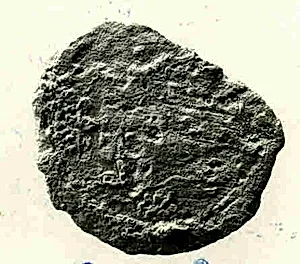
Coin
Unknown Artist
A.H. 366–87/ 976–97 CE
Medium
Copper
Classification
Coins
Department
Islamic Art
Museum
Metropolitan Museum of Art, New York, NY
Credit
Rogers Fund, 1939
Accession Number
39.40.127.508
Rights
Public Domain
Art Historical Context
This exquisite copper coin, minted between A.H. 366–87 (976–97 CE), offers a tangible glimpse into the vibrant Islamic world of the late 10th century. this era, the Abbasid Caliphate faced dynamic shifts under Buyid influence in the eastern Islamic lands, while Fatimid rulers rose in North Africa and Egypt. As a common medium of exchange, copper coins like this one facilitated everyday trade across bustling markets from Baghdad to Cairo, reflecting the economic interconnectedness of the medieval Islamic empire. Crafted in the Islamic Art tradition, the coin exemplifies the period's mastery of epigraphy and numismatic design. Though the artist remains unknown, such pieces often featured intricate Arabic inscriptions—proclaiming rulers' titles, mint locations, and dates—rendered in elegant Kufic script. Copper's durability made it ideal for circulation, contrasting with rarer gold dinars reserved for prestige. Today, housed in the Metropolitan Museum of Art's Islamic Art department through the Rogers Fund of 1939, this coin underscores the cultural role of numismatics as miniature artworks. It not only served commerce but also propagated authority and faith, inviting us to ponder the hands that once exchanged it in a thriving medieval marketplace.