
Coin
Unknown Artist
5th–14th century
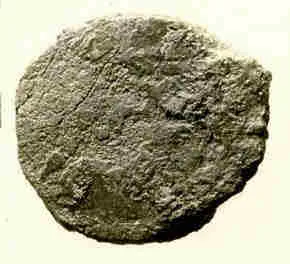
Medium
Copper
Classification
Coins
Department
Islamic Art
Museum
Metropolitan Museum of Art, New York, NY
Credit
Rogers Fund, 1939
Accession Number
39.40.127.515
Rights
Public Domain
Art Historical Context
This copper coin, hailing from the vast Islamic world between the 5th and 14th centuries, offers a tangible window into the economic and cultural heartbeat of medieval societies. Crafted during an era when Islam flourished across empires—from the Umayyads and Abbasids to regional dynasties—such coins facilitated bustling trade routes stretching from Spain to India. Copper, a practical and abundant medium, was widely used for everyday transactions, contrasting with precious gold and silver dinars reserved for high-value exchanges. In the Department of Islamic Art at The Metropolitan Museum of Art (acquired through the Rogers Fund in 1939), this artifact exemplifies numismatic artistry. Islamic coins often feature elegant Arabic calligraphy, invoking phrases like the Shahada (Islamic declaration of faith) or rulers' names, blending religious devotion with political authority. Striking techniques involved hammering metal blanks between engraved dies, producing intricate designs that doubled as propaganda and portable art. Though the specific mint and ruler remain unidentified, it whispers stories of innovation, where coins became canvases for Kufic script and geometric motifs. For visitors, this humble coin reveals how everyday objects chronicled history—tracking conquests, caliphs, and commerce in a golden age of cross-cultural exchange. A small marvel, indeed! (198 words)