
Coin
Unknown Artist
A.H. 603–24/ 1206–24 CE
Medium
Copper
Classification
Coins
Department
Islamic Art
Museum
Metropolitan Museum of Art, New York, NY
Credit
Rogers Fund, 1939
Accession Number
39.40.127.601
Rights
Public Domain
Art Historical Context
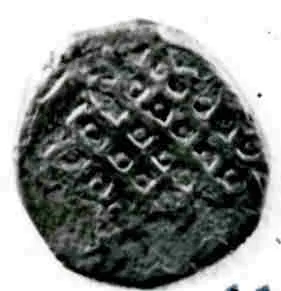
This copper coin, minted between A.H. 603–624 (1206–1224 CE), offers a tangible glimpse into the vibrant Islamic world of the early 13th century. this era, the Islamic lands spanned from Central Asia to the Mediterranean, marked by flourishing trade, scholarly advancements, and shifting political powers amid the rise of empires like the Khwarazans. As a humble fulus—low-denomination currency for daily use—this piece circulated in bustling markets, facilitating commerce in everything from spices to textiles. Crafted in copper, a practical medium for smaller transactions due to its affordability and durability, the coin exemplifies Islamic numismatic artistry. True to aniconic traditions, it likely features elegant Arabic inscriptions in Kufic or Naskh script, proclaiming a ruler's name, titles, mint location, and date—serving as both money and historical record. These epigraphic designs transformed functional objects into miniature works of calligraphy, blending utility with aesthetic refinement. Housed in the Metropolitan Museum of Art's Islamic Art department (Rogers Fund, 1939), this anonymous artifact underscores the cultural emphasis on precision and piety in coinage. It invites us to ponder the hands that exchanged it, bridging medieval economies with our modern curiosity about everyday life in a golden age of Islam.