
Coin Weight
Unknown Artist
13th–16th century
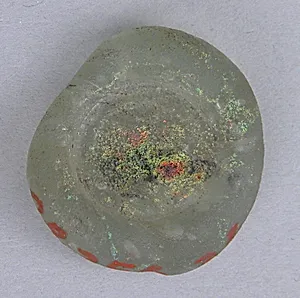
Medium
Glass
Dimensions
H. 1/4 in. (0.6 cm) Diam. 7/8 in. (2.2 cm) Wt. 0.1 oz. (2.8 g)
Classification
Glass
Department
Islamic Art
Museum
Metropolitan Museum of Art, New York, NY
Credit
Rogers Fund, 1908
Accession Number
08.256.36
Rights
Public Domain
Tags
Art Historical Context
This delicate glass coin weight, dating from the 13th to 16th century, hails from the Islamic world and exemplifies the ingenuity of medieval commerce. Measuring just 7/8 inch in diameter and weighing a mere 0.1 ounce, it was crafted to verify the precise mass of gold coins like the dinar, ensuring fair trade bustling markets from Cairo to Baghdad. Acquired through the Rogers Fund in 8, it now resides in the Metropolitan Museum Art's Islamic Art department a testament to the era's emphasis on standardized measures. Glass was a prized medium in Islamic craftsmanship, with artisans mastering molding and transparency techniques that made such functional objects both practical and elegant. Unlike heavier metal weights, glass versions were lightweight and resistant to corrosion, ideal for daily use by merchants navigating the Silk Road and Indian Ocean trade routes. This small artifact highlights how Islamic societies advanced metrology— the science of measurement—fostering economic stability during the golden age of the Abbasid and Mamluk dynasties. Though the artist remains unknown, the coin weight's survival speaks to the durability of Islamic glasswork. Visitors, imagine slipping this into a pouch alongside shimmering coins— a tiny guardian of trust in a vast trading empire!