
Column Base
Unknown Artist
late 12th century
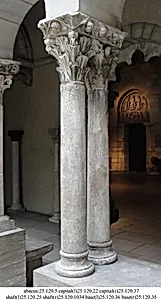
Medium
Stone
Dimensions
Overall: 5 x 10 3/16 in. (12.7 x 25.8 cm)
Classification
Sculpture-Architectural
Culture
French
Department
The Cloisters
Museum
Metropolitan Museum of Art, New York, NY
Credit
The Cloisters Collection, 1925
Accession Number
25.120.35
Rights
Public Domain
Art Historical Context
This exquisite stone column base, crafted by an unknown artist in late 12th-century France, exemplifies the architectural artistry of the High Gothic period. Measuring a modest 5 x 10 3/16 inches (12.7 x 25.8 cm), it once supported a column in a grand ecclesiastical structure, such as a cathedral or abbey where such elements bore the weight of vaulted ceilings while adding subtle decorative flair. Housed in The Cloisters at the Metropolitan Museum of Art since 1925, it invites visitors to ponder the masons' skill in transforming raw limestone or sandstone into enduring architectural supports. The base's significance lies in its role within Gothic architecture, a revolutionary style that emphasized height, light, and intricate stonework to evoke spiritual transcendence. French sculptors of this era mastered precise carving techniques, often incising subtle moldings, foliate motifs, or geometric patterns into bases to harmonize with taller shafts above—though worn by centuries, this piece retains the tactile evidence of chisel and abrasion. Culturally, it reflects the era's fusion of engineering and devotion, as monastic workshops produced these components for pilgrimage sites like Chartres or Notre-Dame. Today, in The Cloisters' evocative medieval gardens and galleries, this unassuming fragment bridges us to the builders who shaped Europe's skyline, reminding us that even foundational elements held profound artistic value.