
Cover
Unknown Artist
18th–19th century
Medium
Silk, metal wrapped thread; embroidered
Dimensions
L. 35 in. (88.9 cm) W. 34 in. (86.4 cm)
Classification
Textiles-Embroidered
Department
Islamic Art
Museum
Metropolitan Museum of Art, New York, NY
Credit
Anonymous Gift, 1879
Accession Number
79.1.1
Rights
Public Domain
Tags
Art Historical Context
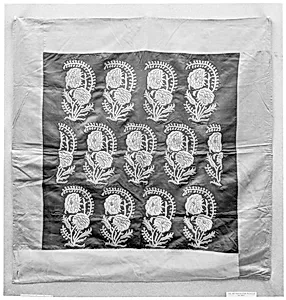
This exquisite embroidered cover, dating to the 18th–19th century, hails from the Islamic world and exemplifies the masterful textile arts of the period. Crafted from silk with intricate metal-wrapped threads, measures 35 by 34 inches, making it a substantial piece likely used as a ceremonial shroud, bed cover, or in a wealthy household. The floral motifs, a hallmark of Islamic decorative tradition, bloom across its surface in vibrant patterns, evoking the lush gardens of paradise—a recurring theme in Islamic art symbolizing beauty, fertility, and divine abundance. The embroidery technique showcases exceptional skill: fine stitches with metallic threads catch the light, adding a luxurious shimmer that would have dazzled in candlelit interiors. Such textiles were prized status symbols, often produced in workshops or by skilled female artisans, blending functionality with artistry. Metal-wrapped threads, created by winding thin metal strips around silk cores, not only enhanced durability but also conveyed opulence, reflecting the era's thriving trade in luxury goods across the Ottoman Empire, Persia, and beyond. Acquired through an anonymous gift in 1879, this cover now graces the Metropolitan Museum of Art's Islamic Art department, offering visitors a tactile glimpse into centuries-old craftsmanship. Its anonymity underscores the communal genius of Islamic textile traditions, where the work itself speaks volumes.