
Covered Box
Unknown Artist
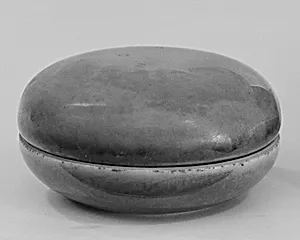
Medium
Porcelain with peachbloom glaze
Dimensions
H. 1 3/8 in. (3.5 cm); Diam. 2 3/4 in. (7 cm)
Classification
Ceramics
Culture & Period
China · Qing dynasty (1644–1911), Kangxi period (1662–1722)
Department
Asian Art
Museum
Metropolitan Museum of Art, New York, NY
Credit
H. O. Havemeyer Collection, Bequest of Mrs. H. O. Havemeyer, 1929
Accession Number
29.100.363a, b
Rights
Public Domain
Art Historical Context
This delicate covered box, crafted in China during the Kangxi period1662–1722) of the Qing dynasty, the era's mastery of porcelain artistry. Measuring just 1⅜ inches high and 2¾ inches in diameter, its petite scale suggests it was designed for intimate, everyday use—perhaps to hold seal paste, cosmetics, or precious spices for scholars or elites. Produced at the imperial kilns of Jingdezhen, the epicenter of Chinese porcelain, such objects reflect the Kangxi emperor's patronage of refined ceramics, blending functionality with aesthetic elegance. The standout feature is its peachbloom glaze, a hallmark monochrome technique perfected in the late 17th century. This subtle, rosy hue—evoking the blush of peach blossoms—results from precise copper oxide firing in a reducing atmosphere, creating a soft luster over the crisp white porcelain body. Peachbloom wares were among the most prized imperial exports, symbolizing technical innovation and natural beauty in Chinese ceramics. Part of the renowned H.O. Havemeyer Collection at The Metropolitan Museum of Art, this anonymous masterpiece invites us to appreciate the Qing dynasty's porcelain legacy: objects so finely made they transcend utility, becoming timeless treasures of Asian art.