
Cravat (one of a pair)
Unknown Artist
late 17th century
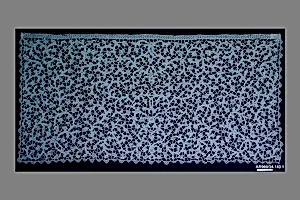
Medium
Needle lace
Dimensions
L. 16 1/2 x W. 8 3/8 inches (41.9 x 21.3 cm)
Classification
Textiles-Laces
Culture
Italian
Department
European Sculpture and Decorative Arts
Museum
Metropolitan Museum of Art, New York, NY
Credit
Bequest of Anna Thalman, 1934
Accession Number
34.143.1
Rights
Public Domain
Art Historical Context
This exquisite cravat, one of a matching pair crafted in late 17th-century Italy, exemplifies the opulent world of Baroque-era textiles. Measuring 16½ by 8⅜ inches, it was designed as elegant neckwear for men of wealth and status, transitioning from the elaborate ruffs of earlier decades into the flowing cravats that defined fashionable dress. Produced during a golden age of Italian lace-making—centered in Venice and other northern hubs—this piece entered The Metropolitan Museum of Art through the 1934 bequest of Anna Thalman, preserving a fragment of Europe's lavish decorative arts tradition. The medium, needle lace, highlights extraordinary artisanal skill. Unlike bobbin lace, needle lace is created by stitching fine linen threads into intricate, freeform patterns with a needle and single thread, allowing for delicate, sculptural motifs like scrolling florals or geometric designs. In the late 1600s, such laces were labor-intensive luxuries, often taking months to complete, and symbolized refinement among nobility and clergy. Italian needle lace, prized across Europe, influenced royal wardrobes from Versailles to the Vatican. Today, this cravat invites us to appreciate the unseen hands behind fashion's finery—anonymous makers whose precision turned thread into treasure, bridging art and everyday elegance in the grand tapestry of history.