
Cricket cage
Unknown Artist
18th–19th century
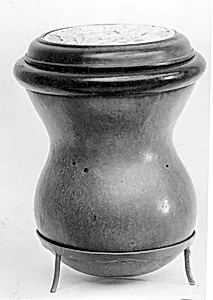
Medium
Gourd, wood, ivory
Dimensions
H. 3 1/8 in. (7.9 cm); Diam. 2 5/8 in. (6.7 cm)
Classification
Cricket cages
Culture & Period
China · Qing dynasty (1644–1911)
Department
Asian Art
Museum
Metropolitan Museum of Art, New York, NY
Credit
Gift of George D. Pratt, 1928
Accession Number
28.186.24
Rights
Public Domain
Art Historical Context
Nestled in the Asian Art collection of the Metropolitan Museum of, this exquisite cricket cage from China's Qing dynasty (16441911) exemplifies the artistry of 18th–19th craftsmanship. Crafted from a natural gourd, supplemented with wood and ivory, it measures just 3⅛ inches high and 2⅝ inches in diameter—perfectly sized to house a cherished pet cricket. The organic gourd form, often hollowed and polished for durability and translucency, combined with fine wood and ivory elements, highlights the ingenious use of humble materials transformed into functional beauty. In Qing-era China, crickets were more than insects; they were beloved companions symbolizing good fortune and virility. Elite men carried these cages during autumn outings, delighting in the crickets' melodic chirps or staging spirited matches, a pastime immortalized in poetry and paintings. This cage, a gift to the Met from George D. Pratt in 1928, reflects the cultural obsession with leisure and nature, where even tiny creatures inspired elaborate accessories. The object's artistic significance lies in its meticulous detailing—likely featuring pierced ivory lattices for ventilation and sound, carved wood handles for portability, and a seamless integration of textures. Such cages showcase the anonymous artisan's mastery of micro-scale carving, blending utility with aesthetic harmony in everyday luxury. A window into imperial China's playful sophistication!