
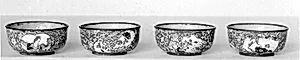
Cup
Unknown Artist
Medium
Painted enamel
Dimensions
Diam. 2 1/4 in. (5.7 cm)
Classification
Enamels
Culture & Period
China · Qing dynasty (1644–1911), Qianlong period (1736–95)
Department
Asian Art
Museum
Metropolitan Museum of Art, New York, NY
Credit
Bequest of Mary Clark Thompson, 1923
Accession Number
24.80.438
Rights
Public Domain
Tags
Art Historical Context
This delicate painted enamel cup, measuring just 2¼ inches in diameter, hails from China's Qing dynasty during the Qianlong period (6–95), a era of imperial patronage and artistic refinement. Crafted in the opulent workshops likely serving the court, such diminutive vessels were prized for their portability and luxury, possibly used for tea or wine in elite social rituals. The Qianlong emperor's reign fostered unprecedented innovation in decorative arts, blending Chinese traditions with foreign influences like European enameling techniques introduced via trade. The medium of painted enamel—vibrant pigments fused to a metal base through meticulous layering and firing—demonstrates extraordinary technical prowess. Delicate scenes of women amid blooming flowers, as suggested by its motifs, evoke timeless themes of beauty, grace, and seasonal harmony, common in Qing decorative arts to symbolize prosperity and feminine virtue. These intricate designs highlight the era's mastery of color and composition on a tiny scale. Now housed in the Metropolitan Museum of Art thanks to the 1923 bequest of Mary Clark Thompson, this cup offers a window into the splendor of 18th-century China, reminding us how everyday objects became canvases for cultural storytelling.