
Cup
Unknown Artist
1800
Medium
Porcelain decorated with enamels (Arita ware, Imari type)
Dimensions
H. 2 1/4 in. (5.7 cm); Diam. 3 7/8 in. (9.8 cm)
Classification
Ceramics
Culture & Period
Japan · Edo period (1615–1868)
Department
Asian Art
Museum
Metropolitan Museum of Art, New York, NY
Credit
Gift of Mrs. V. Everit Macy, 1923
Accession Number
23.225.174
Rights
Public Domain
Tags
Art Historical Context
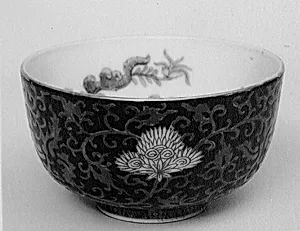
This delicate porcelain cup, crafted around1800 during Japan's Edo period (16151868), exemplifies the Arita ware from the Imari kilns in Saga Prefecture. Standing just 2¼ inches tall with a 3⅞-inch diameter, its petite scale suggests it was designed for intimate use, perhaps as a sake or tea cup in daily rituals or tea ceremonies. The surface is vibrantly decorated with overglaze enamels—a technique where colorful pigments are applied and fired at lower temperatures after glazing—featuring motifs of flowers and leaves that burst with reds, blues, and golds characteristic of Imari style. Arita porcelain, produced from the early 17th century, marked Japan's mastery of hard-paste porcelain after kaolin clay was discovered locally, rivaling Chinese imports and fueling global export trade through Nagasaki. By the late Edo era, Imari wares like this cup blended functionality with artistry, reflecting the period's prosperity, urbanization, and love for nature-inspired designs symbolizing abundance and harmony. These pieces often graced merchant homes or were traded abroad, bridging Japanese craftsmanship with international tastes. Now in the Metropolitan Museum of Art's Asian Art Department, gifted by Mrs. V. Everit Macy in 1923, this anonymous masterpiece invites us to appreciate the subtlety of Edo-era ceramics—where everyday objects became canvases for poetic beauty.