
Cup plate
1800–50
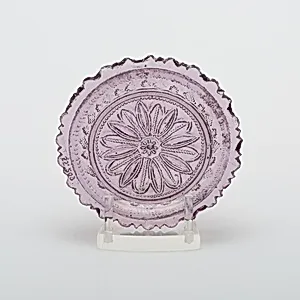
Medium
Pressed glass
Dimensions
Diam.: 7.3 cm (2 7/8 in.)
Classification
plate (general, dish)
Department
Arts of the Americas
Museum
Art Institute of Chicago
Accession Number
83000
Rights
Public Domain
Art Historical Context
In the early 19th century, American households embraced practical yet decorative tableware like this charming cup plate, a small pressed glass disc measuring just 2⅞ inches in diameter. Dating from 1800–50, it served a simple purpose: protecting wooden tables from hot teacups and saucers, while adding a touch of elegance to everyday meals. Produced during the height of America's burgeoning glass industry, these plates were staples in middle-class homes, reflecting the era's growing emphasis on affordable domestic refinement. Crafted in pressed glass—a revolutionary technique pioneered in the 1820s—molten glass was poured into ornate metal molds and compressed under pressure, creating intricate patterns quickly and inexpensively. This innovation, centered in New England factories like those in Sandwich, Massachusetts, democratized decorative glassware, making it accessible beyond the elite. Unlike delicate hand-blown glass, pressed pieces were durable and mass-producible, showcasing motifs like eagles, flowers, or geometric designs that symbolized national pride and Victorian taste. Housed in the Art Institute of Chicago's Arts of the Americas collection, this anonymous example highlights the unsung artistry of industrial craftsmanship. Though its specific pattern isn't detailed, it embodies the cultural shift toward industrialized beauty, inviting us to appreciate the quiet sophistication of 19th-century American life. (198 words)