
De 53 stations van de Tokaido
Medium
nishiki-e
Dimensions
329; 243
Rights
Public Domain
About this artwork
signature: ‘Toyokuni ga’
Art Historical Context
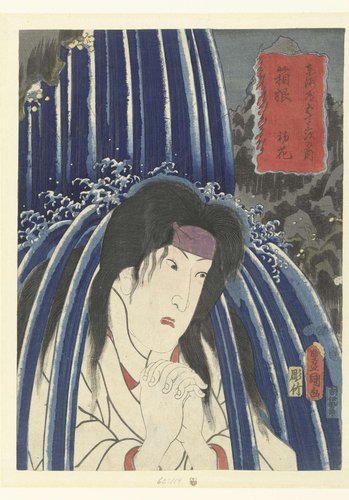
**De 53 Stations van Tōkaidō** is a vibrant *nishiki-e* woodblock by Utagawa Kunada (I), also known as Toyokuni, created in 1852. the signature *Toyokuni ga*, this is part of a renowned series depicting the 53 stations along Japan's historic Tōkaidō road, a vital coastal route linking Edo (modern Tokyo) to Kyoto during the Edo period (1603–1868). Kunisada, a master of the Utagawa school and ukiyo-e tradition—"pictures of the floating world"—captures the bustling energy of travel, landscapes, and daily life with his distinctive flair for color and composition. The *nishiki-e* medium, meaning "brocade picture," revolutionized Japanese printmaking through intricate multi-block printing, layering up to 20 woodblocks with pigments for rich, jewel-like hues. At 329 × 243 mm, this near life-size *ōban* format allowed for immersive detail, making such prints affordable art for the masses. Kunisada's series echoes Hiroshige's iconic 1830s version but infuses it with his own dramatic style, blending realism and theatricality. Culturally, these prints romanticized the Tōkaidō's pilgrimage-like journey, symbolizing escape and impermanence amid Japan's isolationist sakoku policy. Produced just before Commodore Perry's arrival, it reflects a fading Edo world, preserving scenes of porters, teahouses, and misty mountains for posterity. A window into 19th-century Japan! (198 words)