
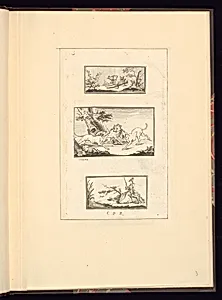
Designs for Decorating Tobacco Boxes
1751-1769
Medium
Classification
Department
Smithsonian Collection
Museum
Smithsonian American Art Museum
Credit
Purchased for the Museum by the Advisory Council
Accession Number
1921-6-414-3
Rights
Public Domain
About this artwork
Research in Progress
Art Historical Context
**Designs for Decorating Boxes** *Viriclix, active 18th century, 1751–1769* Print, Smithsonian American Art Museum Created by the enigmatic Viriclix, active in mid-18th century, this print offers a glimpse into colonial American craftsmanship. Titled *Designs for Decorating Boxes*, it dates from 1751 to 1769—a period when tobacco was a cornerstone of daily life and trade in the American colonies. As a practical print, it likely served as a pattern book for artisans, providing motifs to embellish snuffboxes and pipe cases, popular accessories among gentlemen of the era. These small, ornate objects were status symbols, blending functionality with decorative flair amid the growing consumer culture of the Enlightenment. The medium of print was revolutionary for its reproducibility, allowing designs to spread widely through workshops without losing detail. This technique democratized decoration, enabling local craftspeople to create sophisticated wares inspired by European styles while adapting to American tastes. Housed in the Smithsonian American Art Museum's collection—purchased by the Advisory Council—it highlights everyday artistry from a formative time in U.S. history. Though research continues, this work underscores how prints fueled creativity in colonial industries, bridging art and commerce in intriguing ways. Visitors, imagine the tobacco-scented parlors where these boxes once shone!